

You hear it first on a cold start. Tick, tick, tick from the top end, fast enough to follow engine speed and irritating enough to make you turn the radio down. Sometimes it fades as oil warms. Sometimes it hangs on and tells you something in the valve train isn't getting the pressure or cleanliness it needs.
That's where hydraulic valve lifter treatment fits in. Used properly, it can be a sensible first move for a sticky or contaminated lifter. Used blindly, it can waste time, dilute the oil, and mask a deeper fault such as poor oil pressure or a worn cam lobe. The trick is to diagnose the noise before you pour anything into the sump.
From a hydraulic engineer's point of view, engine lifters aren't mysterious. They're small hydraulic devices relying on clean fluid, the right viscosity, and stable pressure. The same rules apply to industrial systems. Contamination, aeration, and pressure loss ruin performance whether you're dealing with an engine valvetrain or a hydraulic power pack.
Diagnosing That Annoying Lifter Tick and Why It Matters
A hydraulic lifter works by using engine oil pressure to maintain zero valve clearance. When oil supply is clean and pressure is stable, the lifter takes up lash automatically. That's why modern engines are quieter and need less adjustment than older solid-lifter designs.
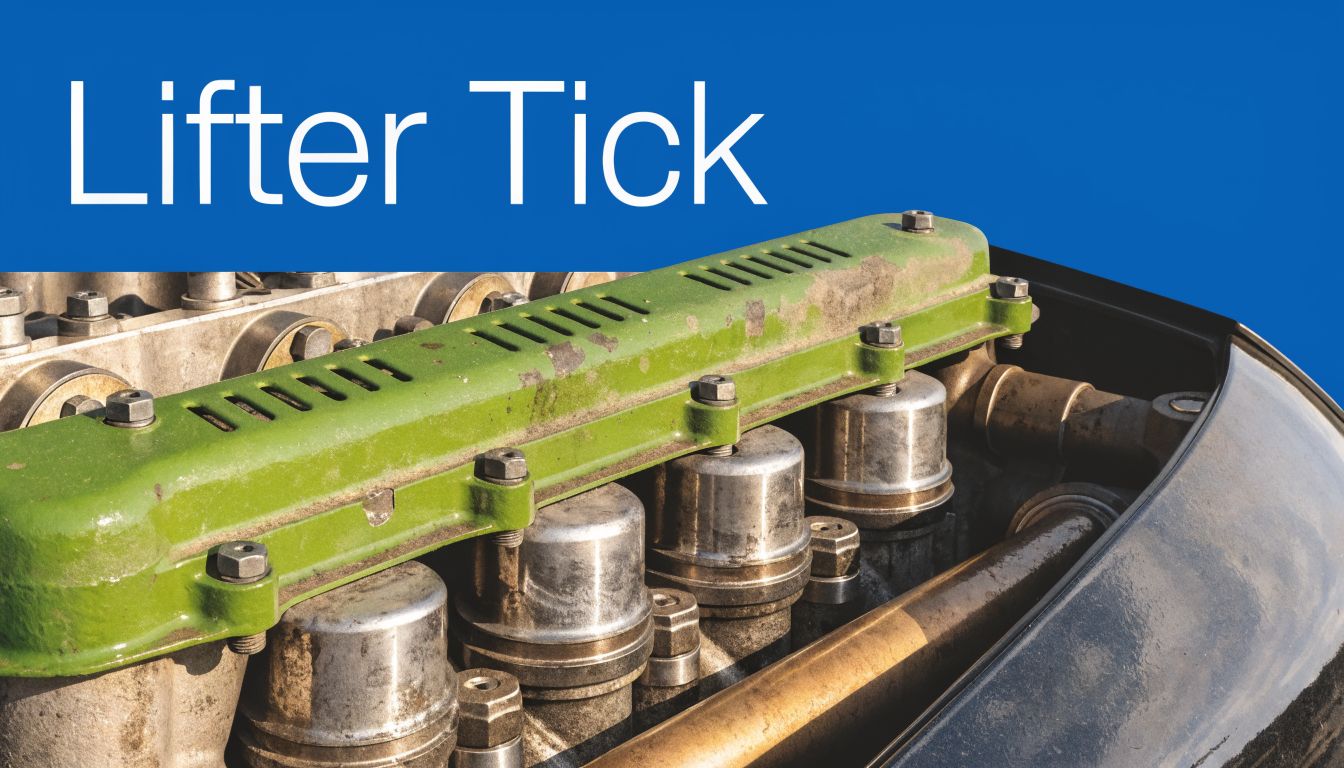
In the UK, approximately 98% of new passenger vehicles sold feature hydraulic lifters, and a 2022 IMI survey found that 12% of engine repairs involved lifter issues, with specialised treatments resolving the problem in 70% of cases without a full replacement, saving an average of £450 per vehicle according to this hydraulic valve lifter overview. That tells you two things. The problem is common, and treatment can work when the fault is contamination rather than broken parts.
What the noise is telling you
A proper lifter tick is usually a light, sharp, rhythmic tapping from the top of the engine. It often shows up after the vehicle has stood overnight, or after extended oil drain intervals, or when the wrong oil grade has been used. The lifter is effectively saying it can't fill or hold pressure as intended.
That matters because the lifter sits in a chain of parts. If it doesn't do its job, the camshaft, pushrod or follower, rocker gear and valve tip all see harsher contact. In hydraulic terms, you've lost controlled movement and introduced impact loading.
Practical rule: Don't treat persistent top-end ticking as a harmless annoyance. In hydraulic components, noise often arrives before outright failure. Engines are no different.
Why hydraulic engineers look at this differently
The same logic used to diagnose a sticky spool valve or a noisy pump applies here. Start with fluid condition, pressure stability, and contamination. A blocked oil gallery in a lifter behaves much like a restricted passage in a small hydraulic control component. The part may still move, but it won't move correctly or consistently.
If you need a broader refresher on how fluid-controlled components behave, it helps to understand the wider family of hydraulic valve types and functions. The principle is the same. Tiny clearances depend on clean fluid and the correct pressure window.
Tick or knock
Drivers often describe every engine noise as a knock, but that's too broad. A lifter tick is usually higher in pitch and lighter than bottom-end knock. If you want a useful plain-language comparison, this guide on how to identify engine knocking issues is a decent starting point before you begin proper diagnosis.
If the noise is ignored, the risk isn't only sound. You can end up chasing misfire symptoms, rough idle, reduced valve lift, and wear that turns a serviceable contamination issue into a strip-down.
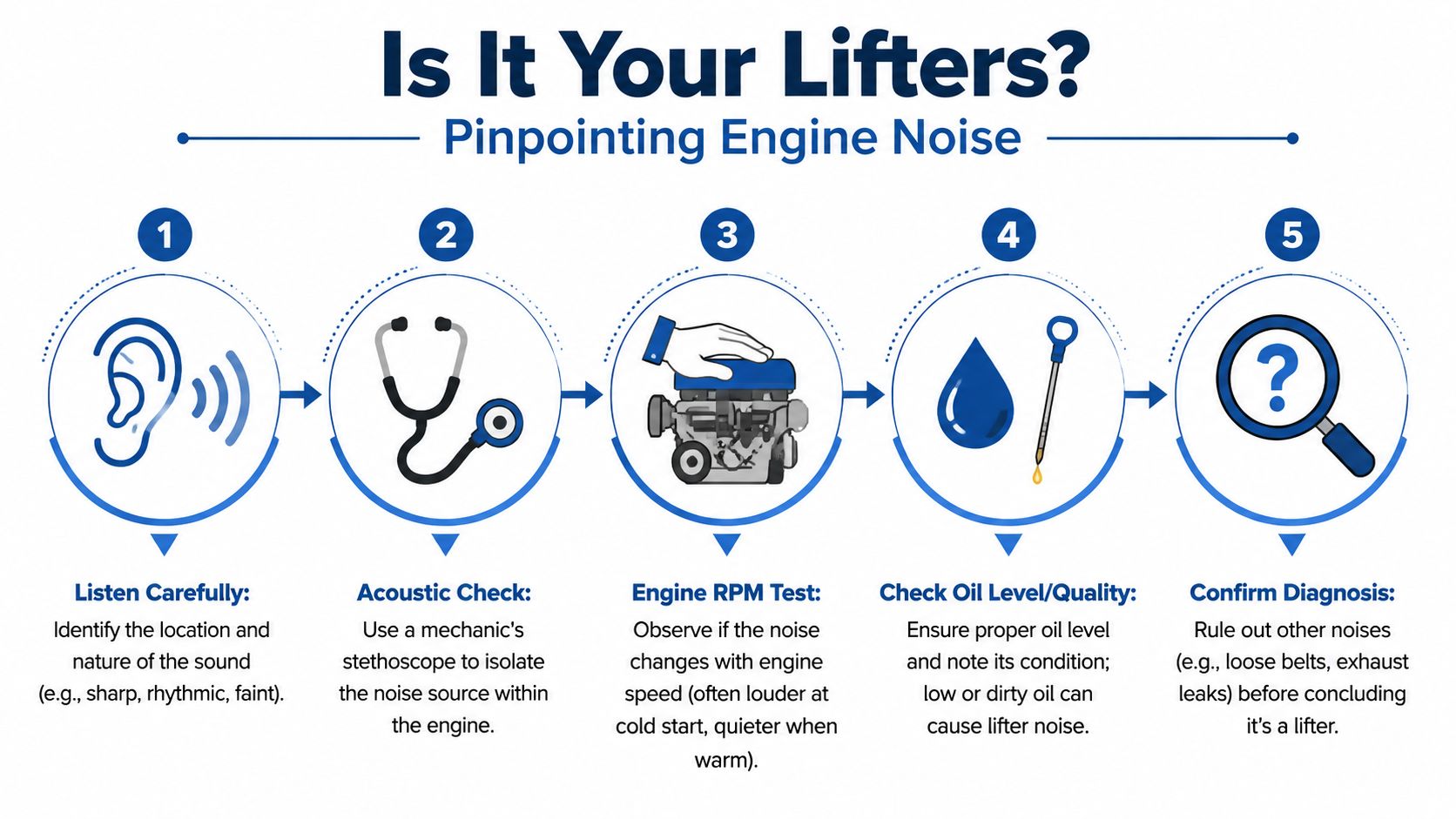
Is It Your Lifters? Pinpointing the Source of the Noise
Before any treatment goes in, confirm the source. Guesswork causes more wasted time than the noise itself. A lifter tick has a pattern, and so do the faults that imitate it.
Listen for location and behaviour
Start with where the sound lives. Lifter noise is usually strongest at the top of the engine. Use a mechanic's stethoscope if you have one. If not, even careful listening around the rocker cover area can tell you whether the sound is high in the head or deeper in the block.
Then watch what it does with temperature and rpm.
- Cold start only: more likely oil drain-back, contamination, varnish, or slow fill
- Improves warm: still points toward oil delivery or internal sticking
- Unaffected by temperature: more suspicious for wear or collapse
- Gets louder with rpm: can still be a lifter, but check oil pressure and cam condition
- Deep knock under load: think beyond lifters
Check oil before blaming hardware
A surprising number of noisy lifters come down to bad operating conditions rather than failed components. Low oil level, dirty oil, aerated oil, or the wrong viscosity can all stop a lifter from filling properly. In industrial hydraulics, no one would condemn a valve block without checking fluid condition first. Engines deserve the same discipline.
When a lifter can't hold pressure, the fault may be inside the lifter, or it may be upstream in the oil supply.
The industrial parallel is useful here. A control valve that chatters may not be defective. The pump may be introducing air, the filter may be bypassing, or the fluid may have lost the viscosity needed to maintain film strength.
Hydraulic Lifter Noise Diagnostic Chart
| Symptom | Likely Cause | Recommended First Action |
|---|---|---|
| Tick for a few seconds on cold start, then clears | Minor bleed-down or light varnish | Check oil level and service history, then assess oil condition |
| Tick from top end when oil is dirty or overdue | Contaminated lifter internals or restricted oil galleries | Replace oil and filter, then consider a targeted treatment |
| Tick persists hot and cold | Worn or collapsed lifter, poor oil pressure, or cam wear | Test oil pressure and inspect mechanically |
| Tick appears with foamy oil or after recent overfill | Aeration | Correct oil level and inspect for causes of air entrainment |
| Noise seems lower in engine and heavier in tone | Not a lifter, possible bottom-end issue | Stop assuming. Diagnose elsewhere before treating |
| One cylinder area distinctly louder through stethoscope | Single lifter or local valve train wear | Localise the bank or cylinder and inspect further |
When the cost of delay gets serious
This isn't just a passenger car issue. A UK HSE study from 2019 to 2023 logged 4,200 incidents in agricultural and industrial machinery where untreated valvetrain noise led to engine seizures, costing the sector £128 million. The same data says lifters in UK farm vehicle diesel engines can see collapse rates of 7% to 10% within 100,000 hours without regular oil-based treatments, as noted in this report on lifter lubrication and maintenance.
That should sound familiar to anyone maintaining mobile plant. Small hydraulic faults rarely stay small when contamination and delayed servicing are involved.
First checks that actually help
- Oil level: Read the dipstick on level ground and confirm it's neither low nor overfull.
- Oil condition: If it's blackened, sludgy, or smells degraded, don't expect an additive to perform miracles in a dirty sump.
- Service history: A missed oil interval matters more than marketing claims on a bottle.
- Pressure behaviour: If the engine has a pressure warning issue or obvious hot idle weakness, test before treating.
- Noise pattern: Note whether the sound changes after a short run, at idle, or under light throttle.
If those checks point to contamination and not mechanical damage, treatment makes sense. If they point to pressure loss or hard wear, skip the hopeful shortcuts.
Using Additives for Hydraulic Lifter Treatment
When the diagnosis suggests sticky internals rather than broken metal, an additive is often the cheapest sensible first step. The aim isn't to “thicken things up” and hide the sound. The aim is to clean restricted passages, improve oil flow inside the lifter, and restore normal hydraulic action.
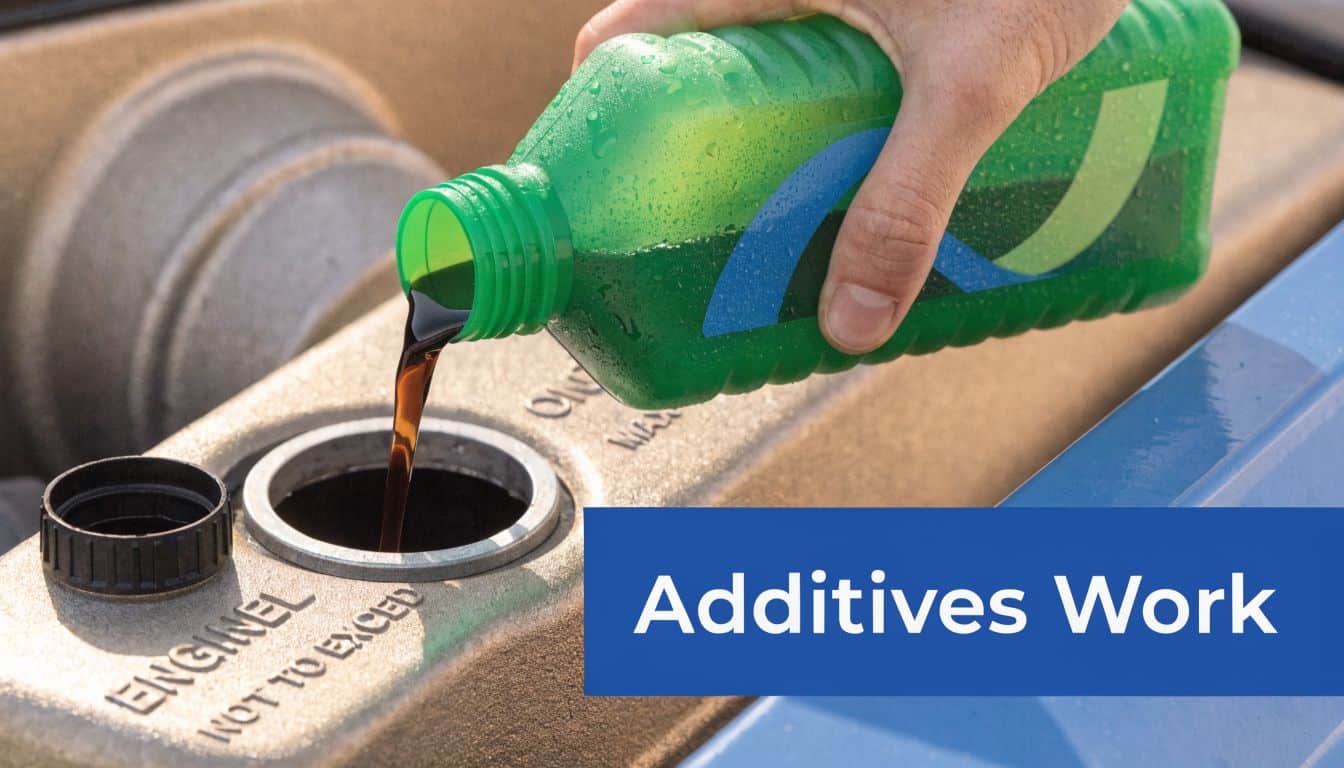
Liqui Moly Hydraulic Lifter Additive is one of the products people reach for in this situation, and there's a reason it comes up often in workshop discussions. Data from online mechanic forums shows it has a 75% success rate for resolving cold-start tick in high-mileage petrol engines. The key conditions are clear in this discussion of Liqui Moly Hydraulic Lifter Additive: add it to a warm engine at 60°C+, run it for 15 minutes at idle or 30 km of driving, and change the oil within 1000 km.
How to use treatment properly
The practical method is straightforward, but it needs discipline.
Warm the engine first. A cold engine doesn't circulate additive well enough, and cold oil won't tell you much about the actual result. Once the engine is warm, add the treatment through the oil filler exactly as directed on the product.
After that, let the engine idle or drive it moderately so the additive reaches the lifters and their oil galleries. Don't pour it in and judge the result thirty seconds later. Hydraulic parts need time to fill, clean, and stabilise.
Workshop judgement: Additives are most useful when the noise comes from varnish, sludge, or intermittent bleed-down. They won't rebuild worn internals.
What results you should expect
The best outcome is reduced or eliminated tick after a heat cycle or a short period of normal driving. Often the first improvement appears at cold start, where the lifter had been slow to pump up. If the sound becomes fainter and shorter in duration, that's a good sign that contamination was the root problem.
A poor result usually falls into one of three camps:
- No change at all: likely wear, pressure loss, or a misdiagnosis
- Brief improvement, then return of noise: contamination was loosened, but the oil and filter need changing promptly
- Noise worsens: stop and reassess. The engine may already have a pressure or mechanical problem
Here's a useful demonstration for visual context before trying it on a live engine:
Trade-offs that matter
Additives are not harmless by default. They alter the oil in service, which means dosage matters. Too much can upset viscosity and pressure behaviour. Using treatment in oil that's already filthy also reduces your odds of success because loosened deposits still have to go somewhere.
That's why I treat additives as a diagnostic and corrective tool, not a maintenance religion. If the noise responds, good. Follow through with the correct oil and filter change. If it doesn't, stop pouring in more chemistry and move to pressure testing or strip inspection.
Why Your Choice of Engine Oil is Crucial
If you only remember one thing, remember this. Oil choice matters more than additive choice. A lifter spends its whole working life depending on oil viscosity, cleanliness, detergent capacity, and stable film strength. If the oil is wrong, no bottle on a shelf will fix the underlying operating conditions for long.
Viscosity is not just a label
Drivers often jump straight to brand preference, but the grade matters first. In UK conditions, many engines are happy on 5W-30 or 10W-40, but only if that matches the engine's design and wear state. Too thick on a cold morning and the lifter fills slowly. Too thin in a worn engine and the lifter may bleed down too easily or suffer from reduced hot pressure.
That balancing act is familiar in industrial work. Choose a fluid that's too heavy and cold response suffers. Choose one that's too light and leakage across internal clearances increases. Engines follow the same physics.
Specifications matter as much as grade
A can marked 5W-30 tells you one thing. The specification tells you far more about how it behaves in service. For many engines with top-end noise concerns, ACEA A3/B4 is worth attention because it points to a more capable oil for high-temperature operation and deposit control where the application calls for it.
After using a lifter treatment like Wynn's, UK technicians recommend an oil change within 500 miles using a high-zinc 10W-40 or 5W-30 oil meeting ACEA A3/B4 standards, and UK RAC technical bulletins warn that failing to do so can lead to a 15% to 20% oil pressure loss due to viscosity dilution, as described in this technician discussion on Wynn's lifter treatment use.
Synthetic, conventional, and real-world use
The old synthetic-versus-mineral argument usually misses the practical point. Use the oil type and approval the engine wants, then keep it clean. If you want a simple overview of the decision, this comparison of synthetic vs conventional oil is a fair primer.
What matters in a noisy lifter engine is this:
- Cold flow: the oil must reach upper engine components quickly
- Hot stability: it must hold film strength when fully warm
- Detergency: it must keep internal passages cleaner over time
- Compatibility: it must suit the engine design, seals, and service use
Dirty oil can make a good lifter sound bad. The wrong oil can make a healthy lifter act faulty.
Don't skip the follow-up oil change
A treatment that loosens varnish and deposits has done only half the job. Those contaminants are now suspended in the oil or headed towards the filter. If you leave them there too long, you've only rearranged the problem.
That's why the correct oil and filter change is the primary reset point. In practice, the additive is the intervention. The fresh oil is the cure path. Get both right and you've given the lifter a fair chance. Get only the first part right and the tick often returns.
Knowing When to Repair or Replace Your Lifters
Some engines respond quickly to treatment and fresh oil. Others are already past that stage. Knowing the difference saves money and prevents false hope.
Signs treatment probably won't solve it
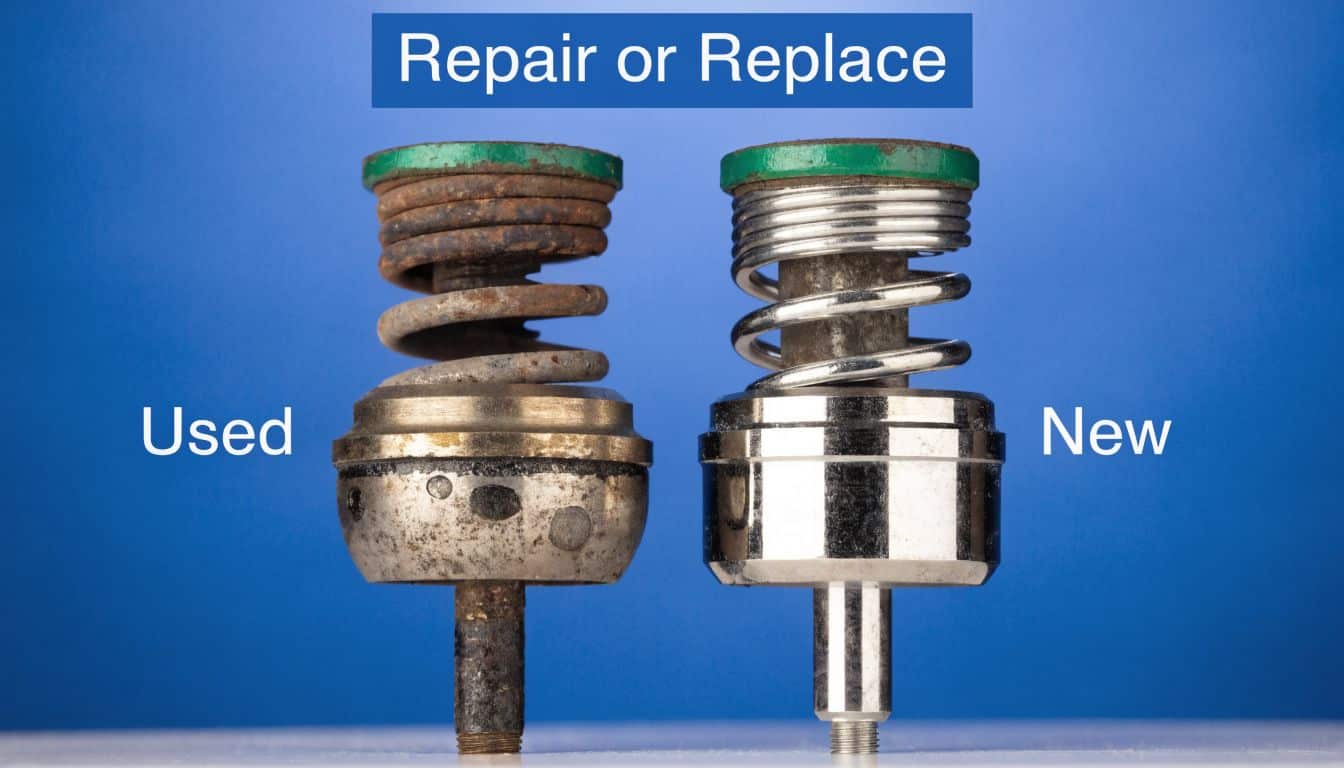
If the tick stays loud after proper treatment, proper oil, and sufficient running time, start thinking mechanically. A collapsed lifter, worn internal check valve, damaged roller, or camshaft wear won't be cured by detergents.
Look for these patterns:
- Persistent noise hot and cold
- One cylinder area consistently louder than the rest
- Misfire or rough running alongside the tick
- Visible metal contamination during oil change
- Poor oil pressure or pressure that falls away when hot
A lifter that has failed mechanically is no longer a cleaning problem. It's a parts problem.
The repair decision
Replacement isn't just about the lifter itself. Access can involve removing covers, valve gear, intake components, and in some engines much more. Once opened up, the technician should also inspect related wear surfaces. There's no sense fitting a new lifter against a worn cam lobe and expecting a quiet, durable result.
In hydraulic terms, this is the same as replacing a noisy cartridge while ignoring the scored bore that caused the trouble. The assembly has to be judged as a system.
If the root cause is mechanical wear, more additive usually means more delay, not more success.
Why compliance matters too
There's also a practical legal side for commercial operators. A 2024 UK RAC Foundation report notes that 18% of MOT failures in heavy goods vehicles stem from engine noise, including valvetrain ticks. It also warns that using unvetted chemical treatments that fail to resolve the issue can risk non-compliance with UK MOT standards and HSE guidelines, potentially leading to fines, according to this note on hydraulic lifter treatment and UK compliance concerns.
That matters in fleets and plant maintenance. A noisy machine isn't only an annoyance to defer until next month. It can become a compliance and downtime issue.
What a proper repair check should include
A competent repair assessment should cover more than “yes, it's ticking”.
| Repair question | Why it matters |
|---|---|
| Is oil pressure within spec when hot? | Low supply pressure can mimic lifter failure |
| Has the camshaft lobe been inspected? | A worn lobe will quickly damage a replacement lifter |
| Are pushrods, rockers, or followers affected? | Secondary wear often accompanies lifter problems |
| Is the oil pump condition known? | Upstream delivery faults must be ruled out |
| Was the noise localised accurately? | Misdiagnosis turns an expensive job into a useless one |
For engineers who work across machinery types, the same thinking applies to electro-hydraulic control hardware. If you're dealing with systems where signal, pressure, and control accuracy matter, it's worth understanding how a hydraulic valve controller fits into the broader picture of reliable hydraulic operation.
Long-Term Health for Your Hydraulic Systems
The best hydraulic valve lifter treatment is the one you rarely need because the engine never gets into trouble in the first place. Prevention is boring, but it works.
Habits that keep lifters quiet
Use the oil grade and specification the engine requires. Change the oil and filter on time. Don't ignore early cold-start tick and hope it disappears forever. If the engine has been neglected, deal with contamination before blaming parts.
A brief warm-up period also helps. That doesn't mean long idle sessions on the drive. It means giving the oil a moment to circulate before loading the engine hard.
The industrial parallel is exact
In industrial hydraulics, the worst repeat offenders are contamination, aeration, wrong fluid choice, and overdue maintenance. Those are the same enemies that create noisy lifters. Whether it's a compact engine lifter, a gear pump, or a valve assembly, the rule doesn't change. Clean fluid at the correct viscosity and pressure keeps precision parts alive.
That's why automotive top-end noise is familiar territory to anyone who works seriously with hydraulic systems. The scale is different. The principle is identical. If you want a broader technical refresher on that principle, this guide on how hydraulics work is a useful reference.
A sensible long-term approach
- Use correct oil: Follow the required viscosity and specification, not workshop folklore.
- Keep it clean: Fresh oil and a proper filter change matter more than repeated additive use.
- Act early: Short-lived ticking is easier to correct than long-standing clatter.
- Test before replacing: Pressure and localisation checks prevent unnecessary strip-downs.
- Think hydraulically: Noise is often the first sign of a fluid, pressure, or contamination fault.
The same disciplined approach protects engines, plant, and hydraulic power equipment alike.
If you need help diagnosing a hydraulic issue, sourcing the right components, or discussing a broader fluid-power reliability problem, speak to MA Hydraulics Ltd. Phone 01724 279508 today, or send us a message.
