
You’re probably in one of two positions right now. Either a machine is down and you need a replacement power pack that will fit, work, and arrive without drama. Or you’re specifying a new unit for an OEM build, and every supplier datasheet looks acceptable until you start asking the awkward questions about duty cycle, footprint, service access, filtration, and what the unit will cost to own after installation.
That’s where most hydraulic power pack UK buying guides fall short. They list pressure, flow, tank size, and motor rating, then stop. In practice, a power pack only makes sense when you look at the whole job. How it starts under load. How it copes with contamination. Whether it fits the machine envelope. Whether your maintenance team can get at the filter, motor, valve block, and relief setting without dismantling half the enclosure.
A power pack is the heart of a hydraulic system. If the heart is undersized, contaminated, badly matched, or awkward to service, the rest of the machine pays for it.
Your Introduction to Hydraulic Power Packs in the UK
In UK industry, demand for hydraulic systems remains strong across agriculture, manufacturing, and mobile machinery. The Fluid Power Equipment Manufacturing industry in the UK is projected to reach £1.3 billion in 2026, with annual revenue growth of 5.5%, according to IBISWorld’s UK fluid power equipment manufacturing industry outlook. That matters because it reflects what many buyers already see on the ground. Hydraulic power still solves jobs that electric linear actuation often complicates.
Why buyers get stuck
Procurement teams usually receive a specification that looks simple enough. Required pressure. Required flow. Motor voltage. Tank size. Mounting arrangement. Then the actual questions appear:
- Will it fit the machine envelope without causing access issues for service or installation?
- Will it run cool enough in actual duty, not just on paper?
- Will the pump and valve choice suit the application rather than merely operate it?
- Will a standard unit do the job, or do you need a bespoke build?
Those questions decide whether you buy once or buy twice.
Practical rule: A cheap unit that overheats, cavitates, or is awkward to maintain is expensive by the time your team has lived with it for a year.
What matters more than the headline spec
A hydraulic power pack UK selection should balance four things:
- Performance. Flow and pressure must match the job.
- Packaging. Space, weight, and orientation matter.
- Reliability. Filtration, cooling, component quality, and circuit layout matter.
- Ownership cost. Servicing, downtime, and parts availability matter.
That’s the basis for sensible selection. Not just the catalogue front page.
What Exactly Is a Hydraulic Power Pack
A hydraulic power pack is a self-contained unit that converts electrical or mechanical input into hydraulic power. In simple terms, it stores oil, pressurises it, controls it, and sends it to cylinders or motors so the machine can lift, clamp, tip, press, steer, or rotate.
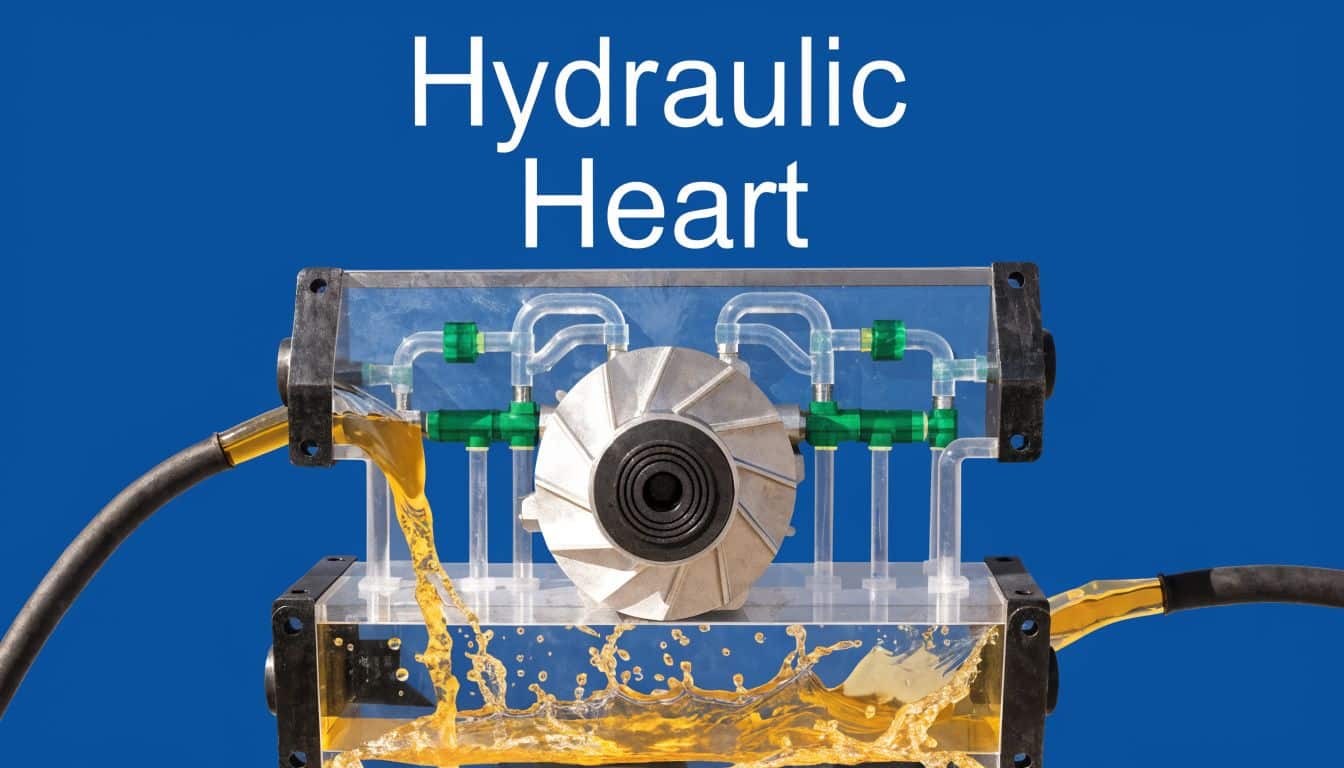
The heart and lifeblood analogy still works
If you want the shortest accurate explanation, think of the pump as the heart and the hydraulic oil as the lifeblood. The pack creates flow. Resistance to that flow creates pressure. The valves decide where the oil goes and how controlled the movement is.
That means a power pack isn’t a black box. It’s a group of parts doing specific jobs in sequence.
The basic job of the unit
Every power pack does four things:
- Stores fluid in a reservoir or tank
- Creates flow through a hydraulic pump
- Builds pressure when the system resists that flow
- Controls movement through directional, pressure, and flow-control valves
The prime mover might be an electric motor on an industrial unit or an engine on a mobile one. The pump could be a gear pump for straightforward, dependable duty, or a variable displacement piston arrangement where demand varies and efficiency under changing load matters more.
What the main parts do
Prime mover
This is the source of mechanical drive. On many workshop and factory systems it’s an AC electric motor. On remote or mobile equipment it may be an engine-driven arrangement.
Pump
The pump converts mechanical input into hydraulic flow. In many compact and dependable systems, gear pumps are the practical choice. Units built around components from brands such as Vivoil suit a wide range of mobile and industrial duties because they’re straightforward, compact, and easy to support.
Reservoir
The tank does more than hold oil. It also helps with deaeration, heat dissipation, and contamination settlement. Poor tank design often shows up later as noisy operation, foaming, or unstable movement.
Valves
Valves direct and regulate the oil. A simple tipping circuit needs very different control from a clamp circuit, a press, or a lift table. The valve set determines how the machine behaves, not just whether it moves.
A power pack only looks simple until you ask it to start cold, run repeatedly, stop accurately, and survive contamination from a real working environment.
Why this matters to buyers
Once you understand the basic layout, supplier quotes become easier to compare. You can stop looking only at kW and bar and start asking the better questions. What pump type is fitted. What filtration is included. How pressure is protected. How serviceable the assembly is. Whether the circuit has been designed for the application or copied from a generic build.
Decoding the Core Components of a Power Pack
If you want a power pack to run properly in service, component choice matters more than many datasheets admit. A pack isn’t good because it has a motor, pump, tank, and valve. It’s good when those parts are matched to each other and to the duty.
In the UK, supply depth is there to support that choice. Hydraulic pump production reached 751,000 units in 2024, and the market is projected to expand to 2.5 million units by 2035, according to IndexBox’s UK hydraulic pump market overview. For buyers, that points to a market with established component availability rather than a niche supply chain.
Prime mover selection
The first split is usually electric motor versus engine drive.
Electric motors suit fixed industrial locations where supply is reliable and noise, emissions, and indoor use matter. Engine-driven units suit remote, agricultural, and mobile work where the machine can’t rely on fixed electrical infrastructure.
What doesn’t work is choosing an engine-driven unit purely because it looks more flexible, then using it mostly indoors with awkward refuelling, unnecessary noise, and more maintenance overhead.
Pump choice
For many compact systems, gear pumps remain the practical answer. They’re durable, familiar, and straightforward to maintain. For general-purpose lifting, tipping, clamping, and small press functions, that simplicity is usually an advantage.
Selection still needs care:
- Displacement affects the flow available at a given speed.
- Pressure capability must suit the peak working demand.
- Rotation and porting must match the installation.
- Duty profile matters more than the occasional peak number.
Vivoil Groups 0 to 3 are common choices where compact packaging and predictable performance matter.
Tank and reservoir design
A tank is often treated as sheet metal around the important parts. That’s a mistake. The reservoir affects temperature, fluid condition, service access, and how well the suction side behaves.
Look for:
- Access for cleaning
- Correct breather arrangement
- Sensible return flow arrangement
- Adequate suction conditions
- Space around filters and level checks
A badly arranged tank creates problems that look like pump faults later.
Valve strategy
The valve arrangement determines how civilised the machine feels in use. A rough, snatching actuator often comes from poor flow control or an unsuitable directional valve choice rather than from the cylinder itself.
Common valve groups include:
- Directional valves for sending flow to the right function
- Pressure relief valves for system protection
- Flow control valves for actuator speed
- Modular or CETOP valves where circuit flexibility is needed
Luen and similar component ranges are useful when you need predictable valve behaviour in compact assemblies.
Filtration is not an afterthought
Contamination control decides service life. That’s true whether the pack runs a trailer tipper, a press, or a compact production fixture. Suction filtration, return filtration, and sensible commissioning practices save pumps and valves from dirt introduced during assembly, hose changes, and field maintenance.
OMT-style filtration components are common choices where packaging and serviceability need to stay practical.
Workshop observation: Most “mystery” hydraulic problems turn out not to be mysterious. They come from contamination, heat, air ingress, or a pack that was never properly matched to the duty.
A simple requirement check
Before requesting a quote, get these answers down clearly:
- Required actuator speed
- Maximum working load
- Duty cycle and run time
- Available power supply
- Space envelope
- Ambient conditions
- Service access constraints
If you need support with that process, hydraulic power pack design guidance is one route to structure the specification before money gets committed.
How to Size Your Hydraulic Power Pack Correctly
Sizing errors show up quickly. An undersized pack feels slow, struggles under load, and often runs hotter because it spends too long working hard. An oversized pack can be just as poor a choice. It wastes energy, adds cost, and can generate unnecessary heat if the excess flow is constantly throttled away.

Start with the job, not the catalogue
The right way to size a hydraulic power pack UK system is to work backwards from the actuator and the task.
You need three answers:
- How fast must it move
- How much force or torque must it generate
- How often will it do that
That gives you the basis for flow, pressure, and power.
Flow decides speed
Cylinder speed and motor speed depend mainly on oil flow. If the application needs fast extension or a tight cycle time, flow is where you start.
In practice, buyers often ask for “more pressure” when the machine feels slow. Slow movement is usually a flow question, not a pressure question.
Pressure decides force
Pressure is what allows the actuator to overcome the load. If the machine must clamp harder, lift more, or press with more force, pressure becomes the design limit. Relief setting, cylinder area, hose rating, and valve selection all need to align.
The mistake here is obvious in service. The pack reaches relief early, movement stalls, and operators assume the pump is faulty.
Power must cover both
Motor size has to support the required flow at the required pressure. Not one or the other. Both. That’s why a pack can appear generous on paper yet still underperform under real load.
For many industrial users, it makes sense to discuss the complete hydraulic power unit options after the application data is clear rather than choosing only by motor rating.
A worked example in plain terms
Take a small hydraulic press. The operator wants the ram to approach quickly, slow down during pressing, and return without wasting time.
A poor approach is to choose one fixed flow and set the relief high enough to cover the maximum load. That often creates excess heat and clumsy control.
A better approach is to define:
- Approach speed
- Pressing force
- Return speed
- Expected duty
- Available power supply
- Space and noise limits
From there, you can decide whether a simple fixed displacement pack is enough or whether the circuit needs staged control, flow limitation, or a different valve approach.
If you don’t know the real duty cycle, don’t guess. Ask the operator how the machine is actually used, not how the drawing says it should be used.
What proper sizing looks like in practice
A correctly sized power pack usually shows these signs:
| Check point | What good sizing looks like |
|---|---|
| Actuator speed | Fast enough for production, not aggressive or unstable |
| Pressure behaviour | Reaches working load without constant relief operation |
| Motor loading | Starts and runs without obvious strain |
| Temperature | Stays controlled during normal duty |
| Noise | No persistent cavitation or aeration sound |
| Service life | Filters and oil stay in reasonable condition |
Later in the selection process, it helps to review real packaging constraints as carefully as hydraulic demand. The pack may work perfectly on a bench and still be wrong for the machine if it blocks service access or forces awkward hose routing.
A useful visual explainer sits below.
Bespoke vs Modular Power Packs A UK Buyer's Guide
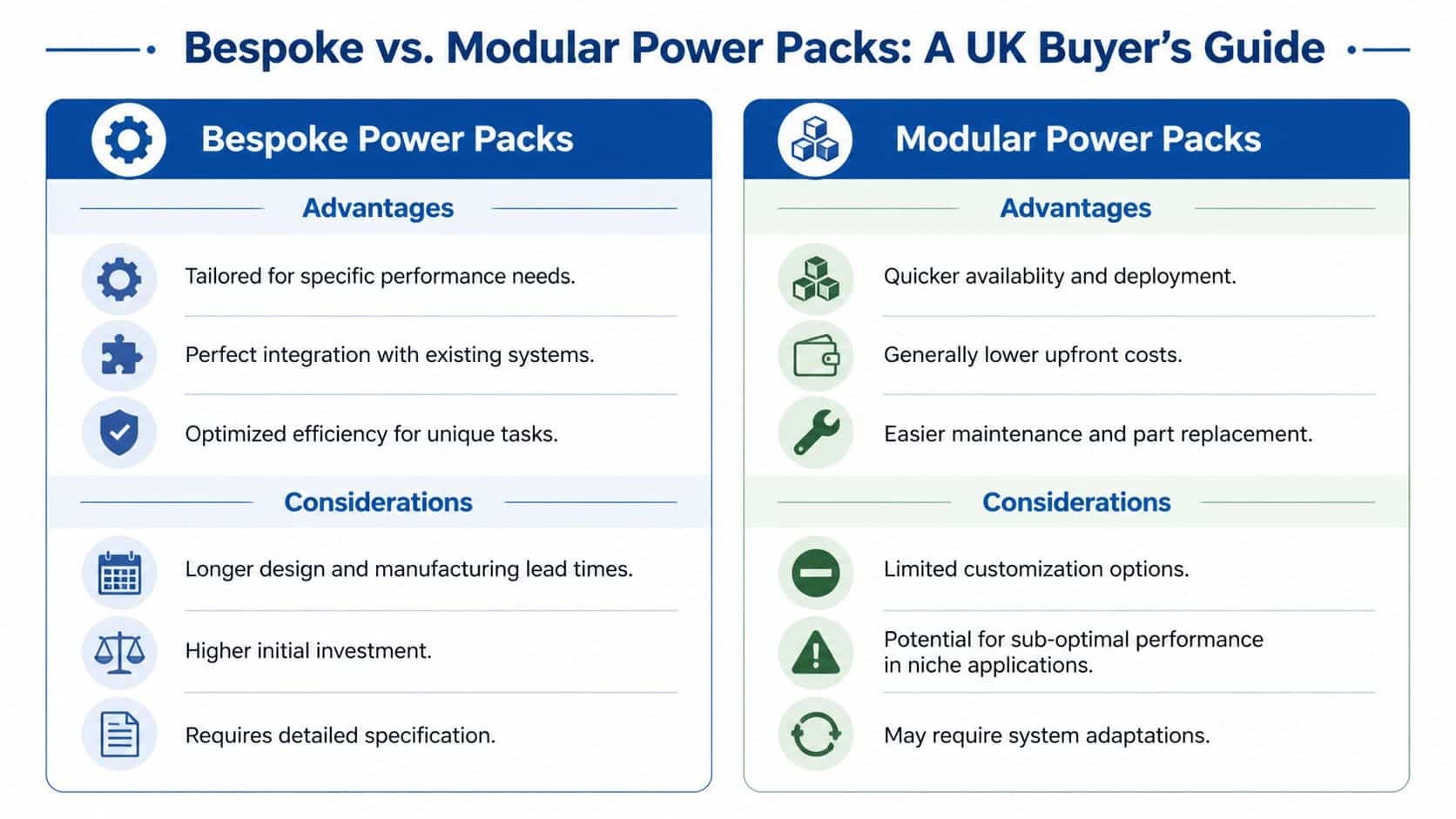
A UK buyer usually faces this choice at the point where cost, lead time, and installation risk start pulling in different directions. The pack has to fit the machine, arrive on schedule, and stay serviceable once it is in the field. That is why the right question is not solely bespoke or standard. The right question is which option gives the lowest total cost over the life of the machine.
A bespoke power pack is designed around the actual machine envelope, duty, controls, and service access. A modular or standard pack is built from established components and standard layouts that suit common hydraulic duties. Both have a place. The expensive mistake is buying a standard unit for a non-standard job, or paying for custom engineering where a modular pack would have done the work just as well.
Where bespoke earns its keep
Bespoke usually pays back where the hydraulic pack is part of the machine design rather than a bolt-on utility. Tight enclosures, awkward mounting positions, combined hydraulic functions, special voltage requirements, and noise limits all push the decision toward a custom build.
In practice, bespoke makes sense when:
- Space is restricted and a standard tank, motor, or manifold layout creates installation problems
- The duty cycle is unusual and a generic circuit would waste energy or generate heat
- The machine controls need proper integration with sensors, PLC logic, or existing manifolds
- Service access has to be engineered in because filters, coils, and test points will be hard to reach later
The gain is not just fit. A well-designed bespoke pack can reduce hose length, simplify wiring, avoid secondary brackets, and make commissioning easier. Those points rarely show up in the purchase price, but they affect labour cost, downtime, and how quickly the machine gets into service.
Where modular makes more sense
Modular power packs are often the better commercial decision for repeat applications, replacements, and straightforward hydraulic functions. If the circuit is conventional and the installation space is forgiving, using standard components usually cuts cost and shortens supply time.
Modular is usually the stronger choice when:
- You need the unit quickly
- The application is proven and does not need a special circuit layout
- Maintenance teams want familiar parts with simple replacement routes
- You want to limit engineering time on a low-risk project
There is also less design risk. Standard assemblies have usually been built many times before, so common issues around motor starting, valve selection, and tank sizing are already understood. For MRO buyers in the UK, that matters more than chasing marginal performance gains.
Decision Matrix Bespoke vs Modular Hydraulic Power Packs
| Factor | Bespoke Power Pack | Modular/Standard Power Pack |
|---|---|---|
| Fit within machine | Best where envelope is tight or awkward | Better where space is less critical |
| Circuit matching | Matched to the exact duty and controls | Suits common duties well |
| Speed to supply | Slower because design and approval come first | Faster where standard parts fit |
| Service approach | Good if access points are designed properly | Usually easier to identify and replace |
| Upfront cost | Higher because of engineering and fabrication | Lower for common applications |
| Lifecycle cost | Lower if it prevents heat, access, or integration problems | Lower if the duty is simple and replacement speed matters |
| Future changes | Flexible if expansion is planned early | Easier if changes stay within standard options |
| Best use case | OEM builds, difficult packaging, unusual duty | Replacements, repeat builds, standard functions |
Three common UK buying situations
Agricultural attachment
A small attachment often has limited mounting space and strict weight distribution requirements. In that case, bespoke can be the better financial decision because it avoids rework to frames, guards, and hose runs. If the attachment was designed around a known mini power pack footprint from the start, modular is usually the cleaner option.
Mobile materials handling equipment
Vehicle-based systems and compact handling equipment punish poor packaging quickly. Vibration, weather exposure, and awkward access points turn a cheap buying decision into a service problem. Modular works well where replacement speed and common parts matter. Bespoke is usually justified where the pack must fit a confined chassis area or where protection and access need to be built in together.
Small industrial machinery
Buyers often misread the job. A press, clamp, or workstation may look simple, but noise limits, heat build-up, and control integration can make a standard pack a poor fit. A bespoke unit can cost more upfront and still be cheaper over time if it avoids nuisance trips, overheating, or site modification during installation.
The wrong choice usually shows up later as extra labour, awkward servicing, and poor machine behaviour. The purchase order looked cheaper. The whole job was not.
What works and what doesn't
What works is matching the pack to the commercial reality of the machine. If the application is standard, buy standard and keep parts common. If the machine has awkward packaging, unusual duty, or difficult service access, pay for the engineering and remove those problems before build.
What does not work is treating minor component swaps as a custom solution. A different relief valve, a painted tank, or a revised bracket does not make a stock unit suitable for a demanding application. UK buyers get better ROI by judging bespoke versus modular on total ownership cost, not just initial price or fastest delivery.
Common UK Applications for Hydraulic Power Packs
Hydraulic power packs are used across UK industry because they still solve force and motion problems cleanly. They package high power density into a manageable footprint and they don’t require every machine function to be built around an electric actuator.
Agriculture
On agricultural equipment, power packs commonly support log splitters, conveyor systems, small implements, and auxiliary machine functions. The attraction is simple. You can generate useful force in a compact form and place the power source where the machine layout allows.
For more demanding mobile duties, high-performance mini power packs with auto-throttle can maintain engine speed under load, improve hydraulic output stability by 35%, and reduce fuel consumption by up to 22% in UK field trials, according to the BSP Hydropacks range data. That’s relevant where the machine sees changing load rather than steady-state operation.
Mobile and materials handling
Tipper trailers, access platforms, compactors, small lifting systems, and service bodies all rely on compact hydraulic power. These applications tend to expose weak pack design quickly because they combine vibration, weather exposure, intermittent heavy demand, and awkward installation spaces.
What works here is straightforward service access, protected components, and a circuit designed for actual operating behaviour. What doesn’t work is burying the relief valve, filter, or electrical connection where nobody can reach them without removing guards and brackets.
Industrial and manufacturing
Factory applications are more varied than many buyers expect. Small presses, fixture clamping, machine tool functions, lift tables, and automation stations often need a local hydraulic source rather than a site-wide central system.
A few patterns show up repeatedly:
- Presses need controlled force and repeatable movement
- Clamping systems need dependable holding and sensible pressure protection
- Lift and positioning functions need smooth motion rather than raw speed
- Automation support circuits often need compact packaging and clean electrical integration
Matching the application to the pack
A standard pack often suits replacement and repeat duty. A bespoke pack tends to suit machine integration, unusual mounting, and any application where service access or footprint is part of the engineering problem.
That’s why application details matter more than labels. “For a tipper.” “For a press.” “For agriculture.” Those descriptions are a start, not a specification.
UK Compliance Installation and Lifecycle Costs
A power pack can look fine on the quote, pass a quick bench test, and still become an expensive problem once it is on a UK site. I see that pattern most often when buyers focus on motor size, pressure, and tank capacity, then leave compliance, installation access, and service costs to be sorted out later.
For UK buyers, the better question is simple. What will this unit cost to install, keep compliant, and maintain over its working life?
Most suppliers spend more time on specification sheets than on ownership cost. That leaves procurement teams comparing purchase prices while the actual cost drivers sit elsewhere. Downtime, awkward servicing, heat issues, poor spare parts availability, and time lost during installation usually outweigh a small saving on the initial order.
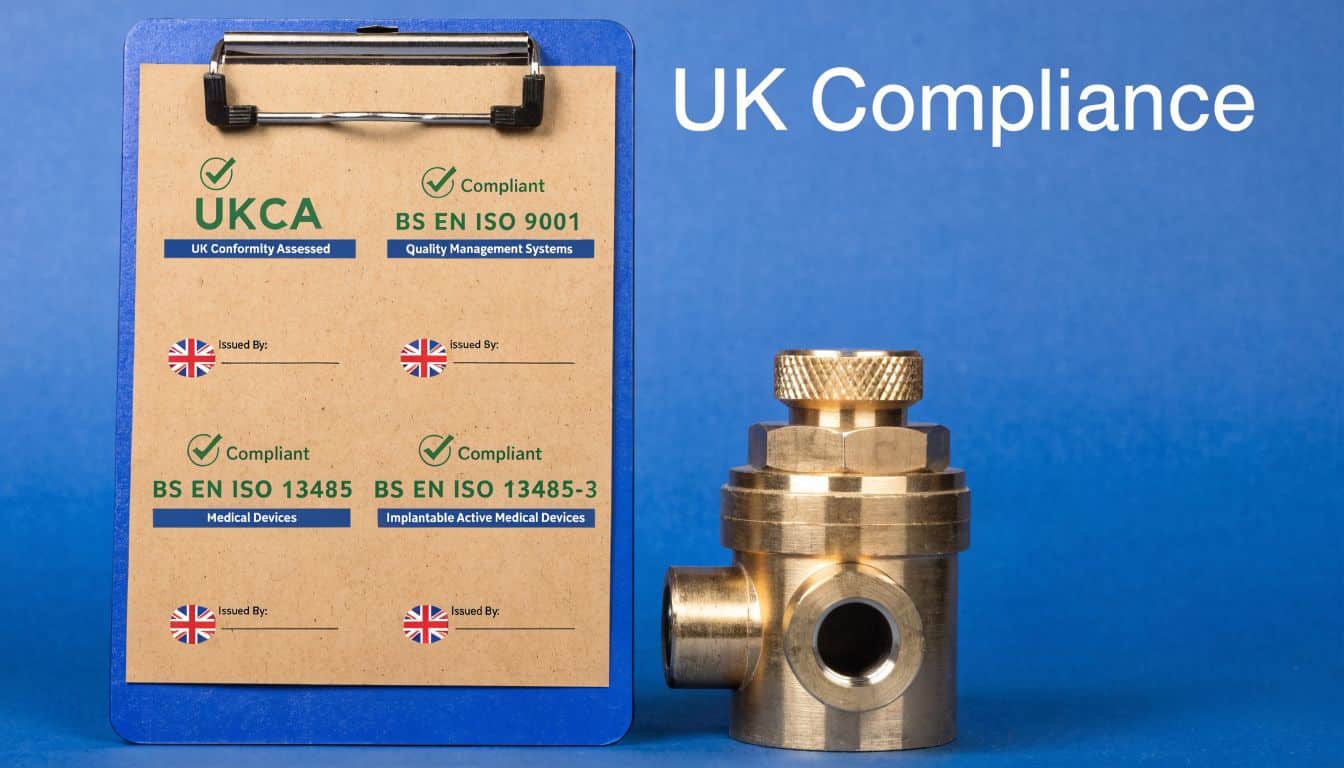
Compliance is part of the engineering
For equipment placed into service in the UK, compliance needs to be designed into the pack from the start. Standards such as the Machinery Directive 2006/42/EC affect how safety functions, guarding, documentation, and operating limits are handled. In practice, that means pressure protection, electrical integration, safe maintenance access, and clear technical files need attention before the unit reaches site.
That has a direct cost implication. A cheaper pack that needs guards reworked, controls altered, or documentation chased after delivery is rarely the cheaper option by the time commissioning is finished.
Installation errors that increase lifetime cost
Installation quality has a bigger effect on ownership cost than many buyers expect. A sound hydraulic unit installed badly will run hot, draw air, leak earlier, and take longer to service.
The recurring problems are predictable:
- Poor mounting orientation that makes filling, bleeding, level checks, or maintenance awkward
- Weak suction line design that encourages aeration and cavitation
- Undersized return lines that raise back pressure and fluid temperature
- No access to filters, breathers, or valve settings so routine servicing turns into strip-down work
- Hose routing under tension or tight bend radius that shortens hose life and creates leak points
- Electrical connections placed for assembly rather than maintenance which slows fault-finding on site
These are not minor details. They decide how long routine jobs take and how often faults become breakdowns.
What total cost of ownership means in practice
For a hydraulic power pack, total cost of ownership usually comes from five areas:
- Power consumption or fuel use
- Planned service work
- Downtime and production loss
- Replacement parts and consumables
- Labour needed to access, diagnose, and repair the unit
This is the point many UK buyers miss when choosing between a standard pack and a bespoke one. A standard unit often wins on purchase price and lead time. A bespoke pack can still be the lower cost option if it reduces installation labour, fits the machine properly, uses common service parts, and avoids repeated overheating or access problems.
That is the decision framework that matters. Buy on whole-life cost, not catalogue price.
Lifecycle habits that protect the investment
Most long-life packs are not looked after with heroic maintenance. They are looked after consistently.
- Keep fluid handling clean during filling, topping up, and hose replacement
- Monitor operating temperature under real duty, not only at commissioning
- Check hoses, fittings, mounts, and electrical terminations before failure forces an outage
- Record pressure drift, noise, and cycle changes so wear is spotted early
- Review the circuit after machine changes because a pack sized for the original duty may no longer suit the job
Where that support is needed, MA Hydraulics' fluid power services cover the practical work around hydraulic units, components, fault diagnosis, and system changes.
What holds up over time
Reliable service life usually comes from ordinary engineering discipline. Correct sizing. Good filtration. Sensible cooling. Safe access. Service parts that can be sourced in the UK without delay.
Poor ownership outcomes usually trace back to one of two decisions. Buying purely on headline specification, or accepting an installation that makes the pack hard to cool, hard to inspect, and hard to repair. Both mistakes raise cost year after year.
Partner with MA Hydraulics for Your Power Pack Needs
Choosing the right hydraulic power pack UK solution comes down to a few hard questions. Does the unit match the actual duty. Does it fit the machine properly. Can your team service it without wasting hours. Are you buying a standard pack because it suits the job, or because nobody has challenged the specification.
The right answer isn’t always bespoke. It isn’t always modular either. Straightforward replacement duties often suit a standard assembly. Tight envelopes, awkward machine layouts, or unusual operating demands usually justify a more customized approach.
Good selection also means looking past the headline figures. Flow and pressure matter, but so do filtration, heat, safety protection, packaging, and future maintenance. Those are the details that decide whether a unit performs well for years or becomes a recurring problem on the shop floor or in the field.
If you need a complete unit, application support, or help matching pumps, valves, filtration, and controls to a real machine requirement, it’s worth discussing the job before ordering parts that only look right on paper.
If you need advice on a new build, a replacement unit, or the trade-off between bespoke and modular assemblies, contact MA Hydraulics Ltd. Phone 01724 279508 today, or send us a message.
